
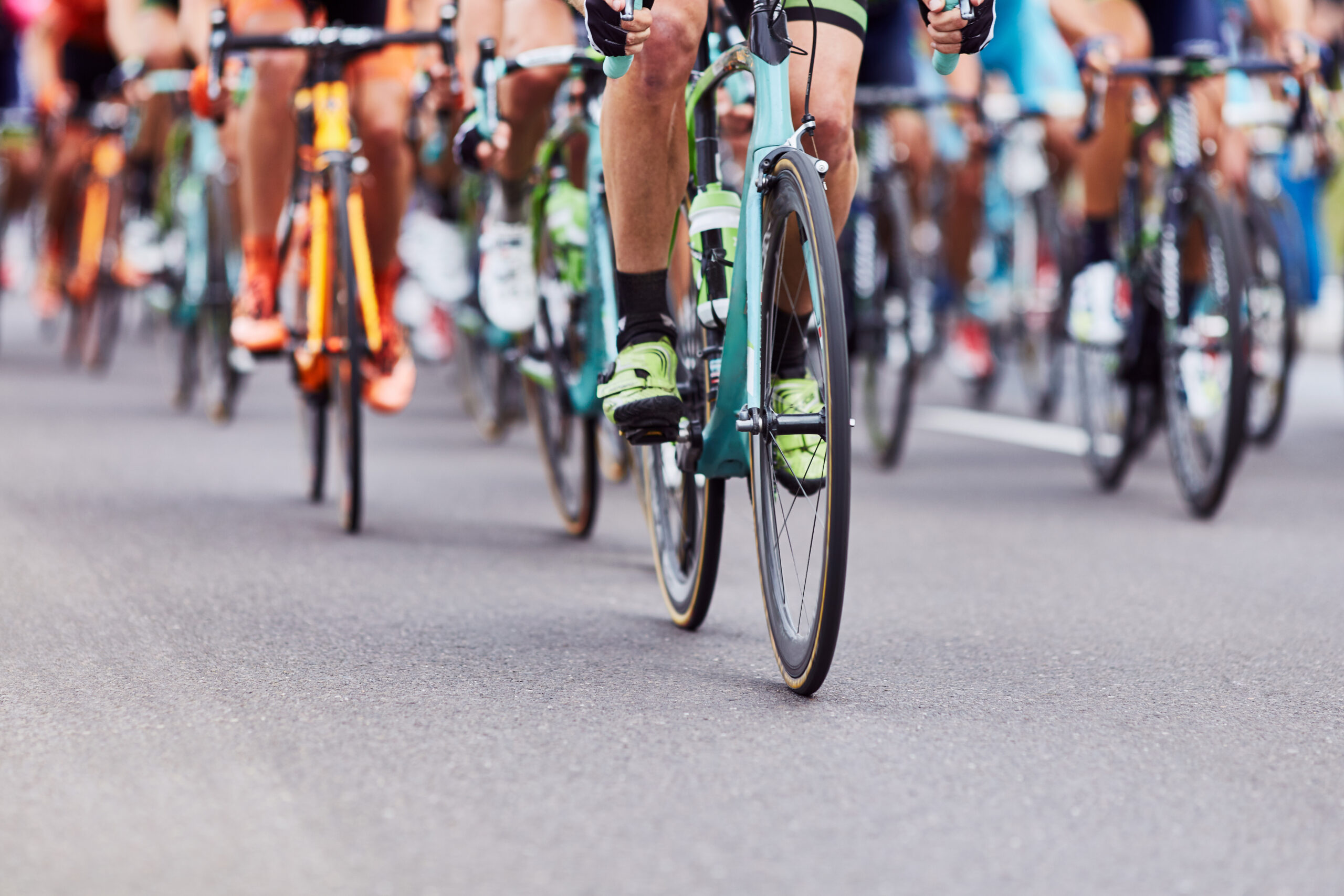
Whether you’re entering your first sportive or you’re a regular on the start line, good preparation can transform your event-day experience. The right training, pacing, nutrition and bike checks can mean the difference between suffering through the miles and crossing the finish line feeling proud, strong, and ready for the next challenge.
At Cover4Cycles, we insure cyclists who ride for commuting, leisure, training and organised events. We know how much time, effort and money riders invest into their bikes and their goals. That’s why this guide explains how to prepare properly for a sportive or cycling event – so you can enjoy the ride with confidence.
Participating in a cycling sportive or competitive event and need cover? Get a quote today.
What is a Cycling Sportive?
A cycling sportive (sometimes called a Gran Fondo or Cyclosportive) is an organised mass-participation cycling event. Riders pay an entry fee, receive a number, follow a signed route, and usually benefit from feed stations, marshals and support services.
Most sportives are timed rather than raced. You may receive a finish time, but the goal for most riders is personal achievement rather than podium places.
Sportives commonly range from:
There are lots of events held in the UK and many more across Europe and beyond.
Why Ride a Sportive?
Sportives are popular because they combine challenge, atmosphere and adventure.
Some benefits include having a clear goal to train for, motivation to improve fitness, a structured route with support, riding roads you may never explore otherwise, and a real sense of achievment at the finish.
For many cyclists, completing a demanding sportive creates a memorable mix of exhaustion, euphoria and pride.
Choosing the Right Sportive for Your Level
If you’re new to cycling events, choose wisely. Too many riders sign up for the hardest event available and regret it halfway through the first climb.
Best options for beginners:
For experienced riders:
Sportives are not all done on roads, you can also enter gravel events and mountain bike endurances rides.
Understand the Route Profile
For both beginners and experienced sportive participants studying the course before entering an event is crucial as it will dictate what your training looks like. Ask yourself the following questions:
Finding a Sportive
Want to try a cycling event but not sure where to start? Browse upcoming rides across the UK with UK Cycling Events. If you’re keen to test yourself overseas, take a look at CycloWorld for a long list of international cycling sportives and Gran Fondos.
How Long Should You Train for a Sportive?
For most people, 12 to 16 weeks is a sensible preparation window as it leave enough time to improve climbing strength, develop your fitness and arrive to the start line fresh rather than burnt out.
Set Some Clear Goals
Before you begin training, you should set yourself some clear goals about what you want to achieve. This could be:
It’s good to set goals that challenge you but they should remain realistic at the same time. Clear, achievable goals help guide your training, keep your motivation high and will prevent you from doing too much too soon and burning out.
Sportive Training Plan by Phase
12-16 weeks before: building base fitness
Focus on the following to build your aerobic fitness:
8-12 weeks before: adding strength and power
Introduce the following and see your performance improve quickly:
4-6 weeks before: specific preparation
Now’s the time to think about riding on terrain similar to the event itself:
1-2 weeks before: taper
Reduce the volume but keep a similar level of intensity. This will allow you to get to the start line feeling sharp, not tired.
Types of Rides to Include in Your Training
A balanced training plan usually includes a mix of the following:
The 75% Rule for Sportive Training
One of the biggest mistakes cyclists make when training for an event is going too hard too often. Difficult and challenging sessions do have their place but most of your training should feel controlled and sustainable.
The 75% rule states is best thought of as a guideline rather than a strict rule and suggests that, during any given training week, around 75% of your cycling should be done at or below 75% of your maximum heart rate. This low‑to‑moderate intensity riding builds endurance, reduces fatigue, lowers injury risk, and allows you to train consistently.
Sportive Nutrition and Hydration Guide
Training gets you to the start line. Nutrition gets you to the finish line.
Before the Ride
2-4 hours before the start eat a balanced meal made up of carbohydrates, moderate protein, low fat, and familiar foods. This could be porridge with banana, toast and eggs, rice with eggs or chicken. If you feel you need it, have a light snack 30-60 minutes before the start.
During the Ride
For rides over 90 minutes you should fuel regularly, aiming for roughly 60-90g carbohydrates per hour depending on your pace and duration. This could be something like a banana, energy bars, gels, sandwiches or cakes from the feed station. Make sure to also be taking on water and electrolytes, about 500-750ml per hour depending on the heat and effort.
Always practicing your in-ride fueling in practice first to see what works for your body. It’s not a good idea to gamble on brand-new nutrition on event day.
After the Ride
Within 30-60 minutes of finishing the ride make sure to have carbohydrates to refill energy stores, protein for muscle repair, and plenty of fluids.
Bike Checks Before a Sportive
You don’t want mechanical problems to ruin months of preparation. At least a week before the sportive, check the following:
Check out our ultimate bike maintenance guide for a more in-depth look at keeping your bicycle in top condition. If you’re still unsure, book a professional service before your event to make sure everything is safe, smooth and ready to ride.
You’ll also want to make sure you’re carrying the following as although some sportives provide mechanical support, it’s best to be self-sufficient. Carry:
How to Pace a Cycling Sportive
One of the biggest mistakes riders make is starting too hard. The excitement, crowds and fast early pace can tempt you into riding above your level but that often leads to cramping, fatigue or a miserable final hour.
To avoid this you should start off easier than you think and settle into a rhythm for the first half. Keep all and any climbs controlled and fuel early and regularly. If you’re feeling strong later on, increase your effort and push the pace.
If using heart rate or power, cap the first section conservatively. If using feel alone, you should still be able to speak in short sentences early on.
Bike Insurance for Sportives
When entering an organised event, your bike is often one of your biggest investments. Many riders travel with expensive road bikes, wheels, computers and accessories.
A Cover4Cycles bicycle insurance policy can protect against theft, accidental damage, vandalism, loss of event fees, and cycling abroad.
Final Thoughts
Sportives are one of the best ways to challenge yourself on a bike. They give purpose to training, create unforgettable days out and often unlock fitness levels you didn’t know you had.
Choose the right event, train consistently, pace sensibly, fuel properly and make sure your bike is ready. Then enjoy the atmosphere, embrace the challenge and earn that finish line feeling!