
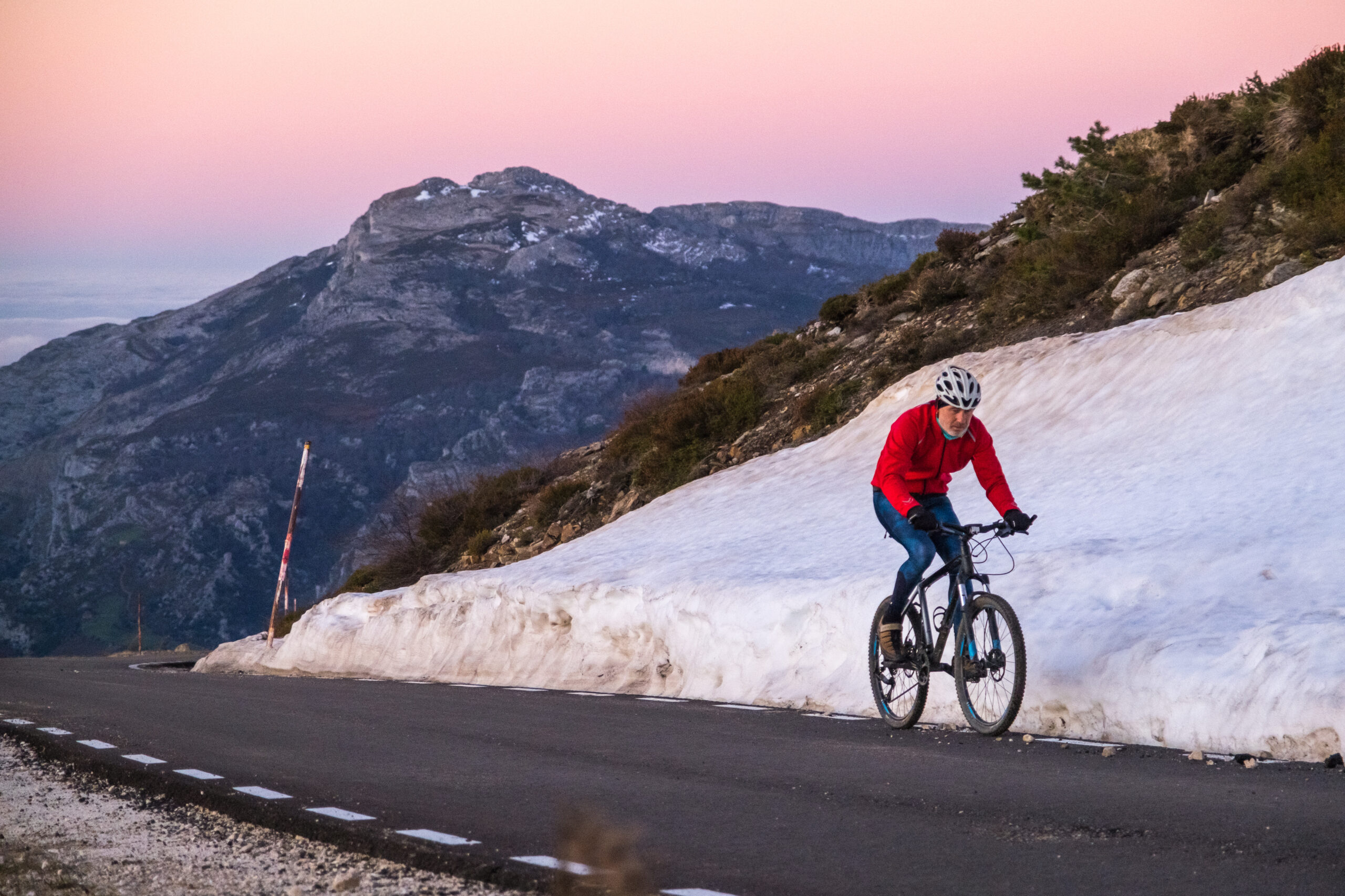
For many cyclists, the colder months feel like a natural point to ease off the pedals thanks to shorter days, slicker roads, and low temperatures. But winter doesn’t have to put the brakes on your cycling routine. The right kit, careful planning, and some seasonal adjustments, can make cycling through winter more enjoyable that you first think.
Why You Should Continue to Cycle in Winter
Choosing to cycle during winter isn’t just about staying committed; it comes with a range of physical and mental rewards. Cooler temperatures can stimulate your immune system, support metabolic health through increased calorie burn as well as provide a much-needed mood lift during the darker months.
From a skills perspective, winter conditions sharpen your bike handling, build mental toughness, and strengthen supporting muscle groups that aren’t as active on smooth summer roads. A brief warm-up indoors before you head out will make a huge difference, helping you start warm and stay comfortable longer. This guide will provide you with a step-by-step so you can enjoy winter cycling to its fullest potential.
1. Decide If Today is Rideable
Before heading outside, it’s a good idea to check the temperature, the wind, the chance of rain or snow as well as considering when it will start to get dark.
If the roads are salted, heavily iced or visibility is poor then consider an indoor session. If you decide to brave the outdoors then opt for quieter routes or dedicated cycleways.
2. Layer Up & Protect Extremities
When it comes to layering up, you need to do this strategically.
Start with a moisture-wicking base layer and then add an insulating mid-layer. Finish with a wind and waterproof winter cycling jacket.
Wear a thermal beanie, balaclava or a skull cap under your helmet and use face cream to prevent windburn.
To keep your hands warm pick insulated gloves that have enough space for circulation. If they have enough room you could add hand warmers as long as they don’t compress blood flow.
When it comes to your feet, choose waterproof shoes or shoe covers as well as wool winter cycling socks. Make sure to keep your feet dry.
3. Prep Your Bike
If your frame clearance will allow it, fit wider tyres. They grip better on grit and slush.
You should also consider tubeless tyres as this will reduce your likelihood of a winter puncture will not be fun to sort at the roadside in the cold and wet.
To feel more confident on slippery surfaces you can lower your seat saddle slightly.
Additionally, fit mudguards to your bike to reduce spray and salt damage. If you can’t mount them directly on to your bike then use P-clips or cable ties.
To protect the paintwork and the frame use helicopter tape or old strips of inner tube.
Make sure to carry basic tools so you can make adjustments at the roadside if necessary.
4. Prevent and Prepare for Flats
Where possible install puncture-resistant or tubeless tyres onto your bike.
Be sure to pack a full puncture kit as well as a spare tube/plug, tyre levers and either a gas canister or electric pump.
If you’re not confident changing a bicycle tyre, practice it indoors. This way, if you have to change it outdoors you’ll be able to do it faster.
5. Prioritise Visibility
Use your front and rear bike lights every ride and have spares with you too.
Wear reflective garments or high-vis winter cycling gear.
Always assume drivers are less likely to spot you and drive defensively.
6. Be Conscious About Your Handling
Make sure you slow down as you approach corners. Don’t brake suddenly though.
When you’re stopping, scan the ground before you put your foot down as ice can be hidden under slush and it may cause you to lose your balance.
Throughout your ride, maintain a steady cadence and avoid abruptly steering.
7. See to Your Bike Post-Ride
As soon as possible you should be hosing salt and grit off your bike. This is important because salt corrodes chains, cables and bolts, and can do so faster than you think.
Winter Riding Kit Checklist
- Winter cycling jacket
- Base and insulating mid layer + spare layers
- Winter cycling gloves + hand warmers
- Winter cycling shoes + waterproof covers
- Woolen winter cycling socks
- Front and rear lights + spares
- Mudguards + frame protection
- Tubeless or puncture resistant tyres
- Full repair kit + pump (gas cannisters or electric)
- Head torch
- Snacks
- Water
Bicycle Insurance
Winter elevates the risks of corrosion, road damage, theft during storage as well as crash damage from slippery surfaces. Bicycle insurance helps cover repair or replacement costs that become more likely in winter so you can peace of mind all season long.
Final Thoughts
Prepare your kit, tweak your bike, pick safer routes, and plan for maintenance. With these steps you’ll be warmer, safer, and far more likely to ride consistently throughout winter.